Choose a complete food for their life stage
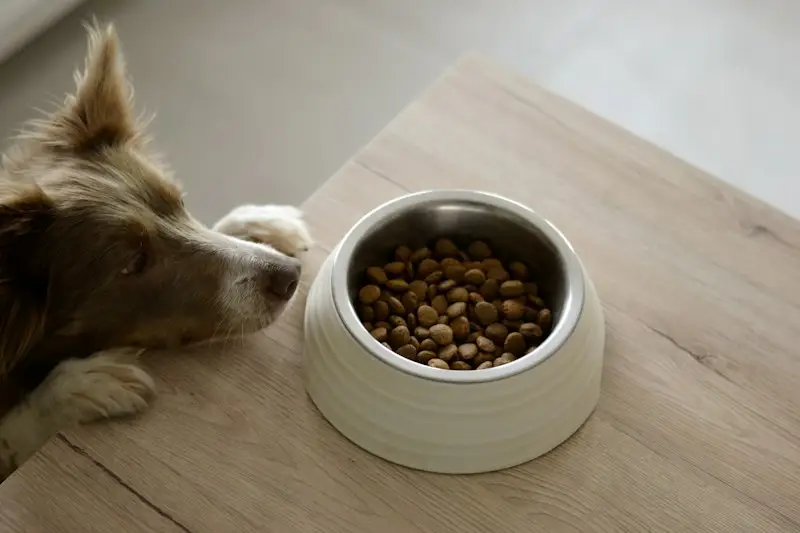
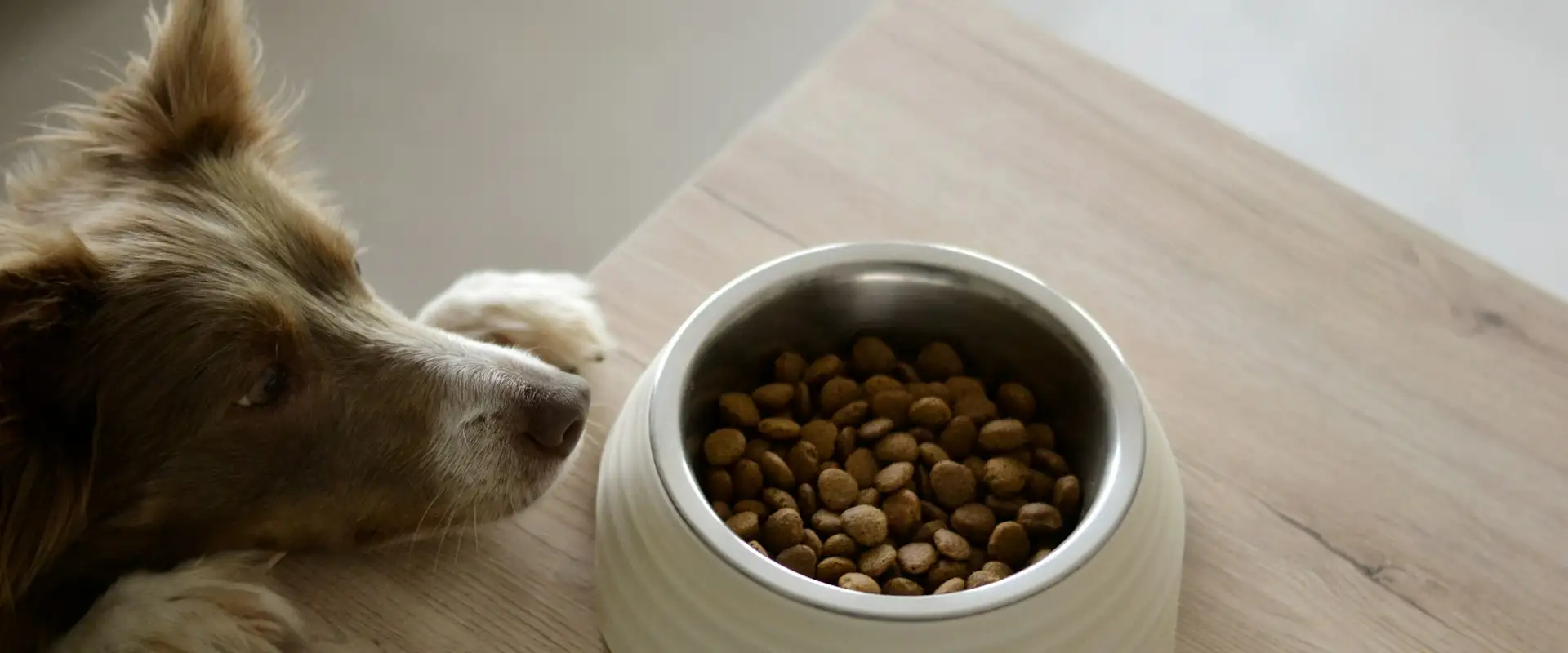
Look for “complete food” on the label and choose by age (puppy, adult or senior) and size. A good complete kibble or wet food already covers everything they need: no supplements are needed unless your vet says so.
If you switch food, do it gradually over 7 to 10 days, mixing in more of the new one each day, to avoid diarrhoea.
How much should they eat?
The amount on the label is a starting point: adjust it to their activity and figure. You should be able to feel their ribs without seeing them, and see a waist from above. Weigh the portion with a scale or measuring cup instead of guessing.
Treats should not exceed 10% of their daily food. Puppies eat 3 or 4 times a day until 6 months; adults usually twice.
Fresh water, always
Make sure they always have clean, fresh water, especially in summer: in Mallorca the heat is intense and dehydration comes fast. Bring water and a bowl on walks and trips.
Foods dogs must not eat
These foods are toxic or dangerous. If your dog eats any of them, call your vet:
- Chocolate and cocoa.
- Grapes and raisins.
- Onion, garlic and leek (raw, cooked or powdered).
- Xylitol: chewing gum and “sugar-free” products.
- Macadamia nuts.
- Alcohol and caffeinated drinks.
- Cooked bones: they splinter.
Home-made or raw (BARF) diet?
You can feed a dog home-made or raw food, but it is easy to get the nutrients wrong. If you want to do it, ask a vet specialised in nutrition to design the diet, and be extra careful with hygiene if it is raw meat.
Food & treats
Affiliate links: if you buy through them, evoZoa earns a small commission at no extra cost to you. It keeps the site free. As an Amazon Associate I earn from qualifying purchases.