First things first: no breed is 100% hypoallergenic
Allergies are not caused by hair but by proteins found in the animal’s skin, saliva and urine. Hair and dander spread them around the house, which is why low-shedding breeds usually cause fewer problems, but none of them is allergen-free.
Every animal is also different: two dogs of the same breed can trigger very different reactions. If you have allergies, talk to your allergist before adopting and spend time with the specific animal you are interested in.
Dog breeds that shed little
These breeds have hair that keeps growing and hardly falls out. They are the ones most often recommended for people with mild allergies:
- Poodle, in every size.
- Bichon Frise and Maltese.
- Schnauzer (miniature, standard and giant).
- Spanish and Portuguese Water Dog.
- Yorkshire Terrier.
- Lagotto Romagnolo.
More coat to care for: grooming
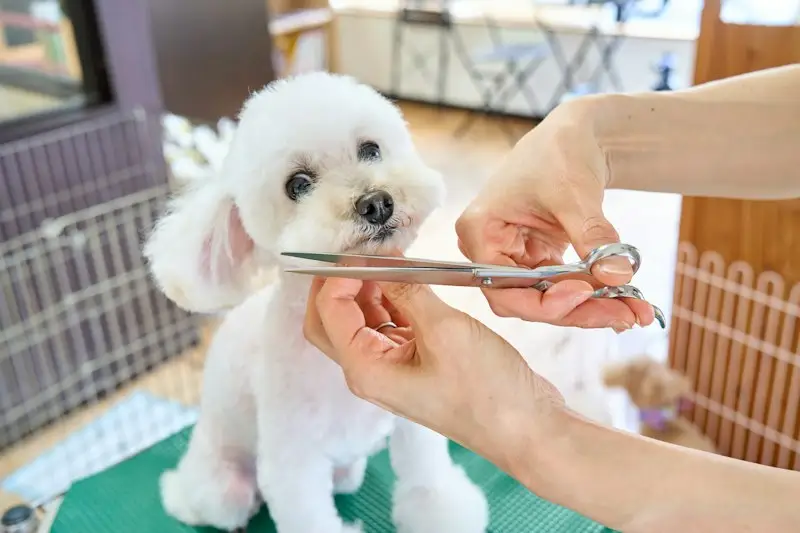
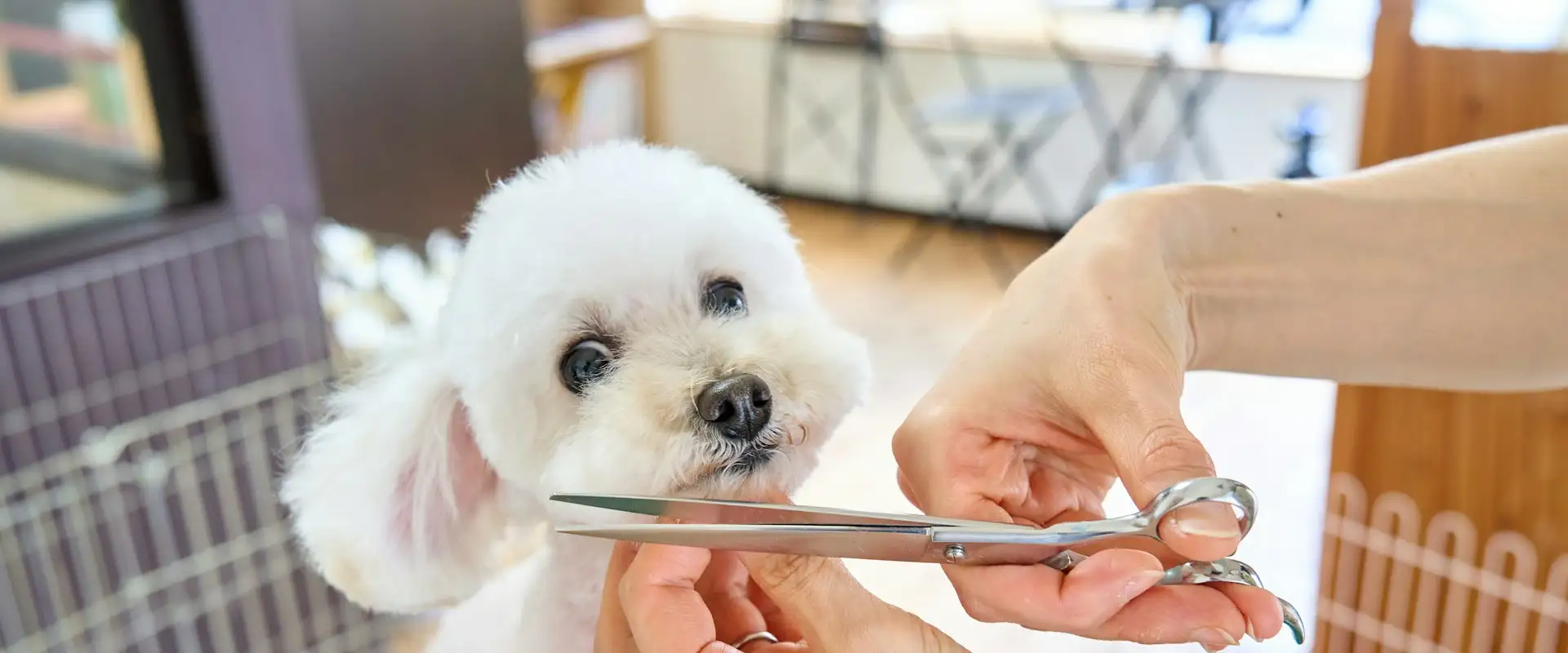
Shedding little does not mean little work: the coat needs brushing several times a week and a trim every 6 to 8 weeks to avoid mats. Find a dog groomer near home and, if possible, have someone without allergies do the brushing, outdoors.
Crosses such as the Labradoodle are often sold as hypoallergenic, but each puppy’s coat type is unpredictable.
What about cats?
In cats the main allergen (Fel d 1) is mostly in saliva and skin. Breeds such as the Siberian or the Balinese are often said to suit allergic people better, but the evidence is limited and varies a lot from cat to cat. The Sphynx has no hair but still produces allergens.
Intact males are known to produce more allergen than females and neutered males.
How to reduce allergens at home
A few simple habits make a big difference:
- Keep the animal out of the bedroom.
- Use a vacuum cleaner and air purifier with a HEPA filter.
- Wash their bed and blankets every week.
- Hard floors are better than carpets.
- Wash your hands after touching them.
- Before adopting, try fostering for a shelter: you will see how you react.
Care at home
Affiliate links: if you buy through them, evoZoa earns a small commission at no extra cost to you. It keeps the site free. As an Amazon Associate I earn from qualifying purchases.